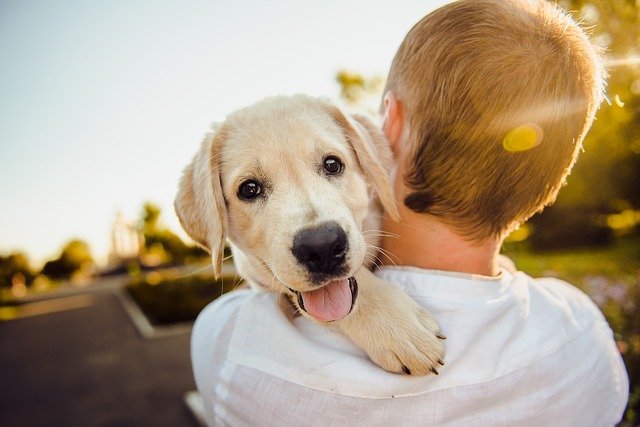
It’s natural to feel devastated by feelings of grief and sadness when a beloved dog, cat, or other pet dies. the following pointers can assist you cope.
Why does the loss of a pet hurt so much?
Many folks share an intense love and bond with our animal companions. For us, a pet isn't “just a dog” or “just a cat,” but rather a beloved member of our family, bringing companionship, fun, and joy to our lives. A pet can add structure to your day, keep you active and social, assist you to beat setbacks and challenges in life, and even provide a way of meaning or purpose. So, when a cherished pet dies, it’s normal to feel racked by grief and loss.
The pain of loss can often feel overwhelming and trigger all kinds of painful and difficult emotions. While some people might not understand the depth of feeling you had for your pet, you ought to never feel guilty or ashamed about grieving for an animal friend.
While we all answer loss differently, the extent of grief you experience will often depend upon factors like your age and personality, the age of your pet, and therefore the circumstances of their death. Generally, the more significant your pet was to you, the more intense the emotional pain you’ll feel.
The role the animal played in your life also can have an impression . for instance , if your pet was a dog , service animal, or therapy animal, you’ll not only be grieving the loss of a companion but also the loss of a coworker, the loss of your independence, or the loss of emotional support. If you lived alone and therefore the pet was your only companion, coming to terms with their loss are often even harder. And if you were unable to afford expensive veterinary treatment to prolong your pet’s life, you'll even feel a profound sense of guilt.
While experiencing loss is an inevitable a part of owning a pet, there are healthy ways to deal with the pain, come to terms together with your grief, and when the time is true , maybe even open your heart to a different animal companion.
The grieving process after the loss of a pet
Grieving may be a highly individual experience. Some people find grief following the loss of a pet comes piecemeal , where they experience different feelings like denial, anger, guilt, depression, and eventually acceptance and determination . Others find that their grief is more cyclical, coming in waves, or a series of highs and lows. The lows are likely to be deeper and longer at the start then gradually become shorter and fewer intense as time goes by. Still, even years after a loss, a sight, a sound, or a special anniversary can spark memories that trigger a robust sense of grief.
The grieving process happens only gradually. It can’t be forced or hurried—and there's no “normal” timetable for grieving. Some people start to feel better in weeks or months. For others, the grieving process is measured in years. Whatever your grief experience, it’s important to twiddling my thumbs with yourself and permit the method to naturally unfold.
Feeling sad, shocked, or lonely may be a normal reaction to the loss of a beloved pet. Exhibiting these feelings doesn’t mean you're weak or your feelings are somehow misplaced. It just means you’re mourning the loss of an animal you liked , so you shouldn’t feel ashamed.
Trying to ignore your pain or keep it from surfacing will only make it worse within the end of the day . For real healing, it's necessary to face your grief and actively affect it. By expressing your grief, you’ll likely need less time to heal than if you withhold or “bottle up” your feelings. write on your feelings and mention them with others who are sympathetic to your loss.
Coping with the grief of pet loss
Sorrow and grief are normal and natural responses to death. Like grief for our friends and loved ones, grief for our animal companions can only be addressed over time, but there are healthy ways to deal with the pain. Here are some suggestions:
Don’t let anyone tell you ways to feel, and don’t tell yourself the way to feel either. Your grief is your own, and nobody else can tell you when it’s time to “move on” or “get over it.” Let yourself feel whatever you are feeling without embarrassment or judgment. It’s okay to be angry, to cry or to not cry. It’s also okay to laugh, to seek out moments of joy, and to abandoning when you’re ready.
Reach bent others who have lost pets. inspect online message boards, pet loss hotlines, and pet loss support groups—see the Resources section below for details. If your own friends and relations aren't sympathetic about pet loss, find someone who is. Often, another one that has also experienced the loss of a beloved pet may better understand what you’re browsing .
Rituals can help healing. A funeral can assist you and your relations openly express your feelings. Ignore people that think it’s inappropriate to carry a funeral for a pet, and do what feels right for you.
Create a legacy. Preparing a memorial, planting a tree in memory of your pet, compiling a photograph album or scrapbook, or otherwise sharing the memories you enjoyed together with your pet, can create a legacy to celebrate the lifetime of your animal companion. Remembering the fun and love you shared together with your pet can assist you to eventually advance .
Look after yourself. the strain of losing a pet can quickly deplete your energy and emotional reserves. taking care of your physical and emotional needs will assist you get through this difficult time. Spend time face to face with people that care about you, eat a healthy diet, get many sleep, and exercise regularly to release endorphins and help boost your mood.
If you've got other pets, attempt to maintain your normal routine. Surviving pets also can experience loss when a pet dies, or they'll become distressed by your sorrow. Maintaining their daily routines, or maybe increasing exercise and play times, won't only benefit the surviving pets but also can help to elevate your mood and outlook, too.
Seek professional help if you would like it. If your grief is persistent and interferes together with your ability to function, your doctor or a psychological state professional can evaluate you for depression.
Tips for seniors grieving the death of a pet
As we age, we experience an increasing number of major life changes, including the loss of beloved friends, relations , and pets. The death of a pet can hit retired seniors even harder than younger adults who could also be ready to draw on the comfort of an in depth family, or distract themselves with the routine of labor . If you’re an older adult living alone, your pet was probably your sole companion, and taking care of the animal provided you with a way of purpose and self-worth.
Stay connected with friends. Pets, dogs especially, can help seniors meet new people or regularly connect with friends and neighbors while out on a walk or within the dog park. Having lost your pet, it’s important that you simply don’t now spend day after day alone. attempt to spend time with a minimum of one person a day . Regular face-to-face contact can assist you keep off depression and stay positive. Call up an old flame or neighbor for a lunch date or join a club.
Boost your vitality with exercise. Pets help many older adults stay active and playful, which may boost your system and increase your energy. It’s important to stay up your activity levels after the loss of your pet. ask your doctor before starting an exercise program then find an activity that you simply enjoy. Exercising during a group—by playing a sport like tennis or golf, or taking an exercise or swimming class—can also assist you connect with others.
Try to find new meaning and joy in life. Caring for a pet previously occupied some time and boosted your morale and optimism. attempt to fill that point by volunteering, learning a long-neglected hobby, taking a category , helping friends, rescue groups, or homeless shelters look after their animals, or maybe by getting another pet when the time feels right.
Helping children grieve the loss of a pet
The loss of a pet could also be your child’s first experience of death—and your first opportunity to show them about dealing with the grief and pain that inevitably accompanies the enjoyment of loving another living creature. Losing a pet are often a traumatic experience for any child. Many kids love their pets very deeply and a few might not even remember a time in their life when the pet wasn’t around. a toddler may feel angry and blame themselves—or you—for the pet’s death. a toddler may feel scared that people or animals they love can also leave them. How you handle the grieving process can determine whether the experience features a positive or negative effect on your child’s personal development.
Some parents feel they ought to attempt to shield their children from the sadness of losing a pet by either not talking about the pet’s death, or by not being honest about what’s happened. Pretending the animal ran away, or “went to sleep,” for instance , can leave a toddler feeling even more confused, frightened, and betrayed once they finally learn the reality . It’s much better to be honest with children and permit them the chance to grieve in their own way.
Let your child see you express your own grief at the loss of the pet. If you don’t experience an equivalent sense of loss as your child, respect their grief and allow them to express their feelings openly, without making them feel ashamed or guilty. Children should feel proud that they need such a lot compassion and care deeply about their animal companions.
Reassure your child that they weren’t liable for the pet’s death. The death of a pet can raise tons of questions and fears during a child. you'll got to reassure your child that you simply , their parents, aren't also likely to die. It’s important to speak about all their feelings and concerns.
Involve your child within the dying process. If you’ve chosen euthanasia for your pet, be honest together with your child. Explain why the selection is important and provides the kid chance to spend some special time with the pet and say goodbye in their own way.
If possible, give the kid a chance to make a memento of the pet. this might be a special photograph, or a cast of the animal’s paw print, for instance .
Allow the kid to be involved in any memorial service, if they desire. Holding a funeral or creating a memorial for the pet can help your child express their feelings openly and help process the loss.
Do not leap out to urge the kid a “replacement pet” before they’ve had an opportunity to grieve the loss they feel. Your child may feel disloyal, otherwise you could send the message that the grief and sadness felt when something dies can simply be overcome by buying a replacement.
Making the choice to place a pet to sleep
Deciding to place your animal companion to sleep is one among the foremost difficult decisions you'll ever need to bring your pet. As a loving pet owner, though, the time may come once you got to help your pet make the transition from life to death, with the assistance of your veterinarian, in as painless and peaceful how as possible.
Knowing when it’s time to place a pet to sleep
Euthanasia for a beloved pet is very personal decision and typically comes after a diagnosis of a terminal illness and with the knowledge that the animal is suffering badly. Your choices for your pet should be told by the care and love you are feeling for the animal. Important things to think about include:
Activity level. Does your pet still enjoy previously loved activities or are they ready to move at all?
Response to worry and affection. Does your pet still interact and answer love and care within the usual ways?
Amount of pain and suffering. Is your pet experiencing pain and suffering which outweigh any pleasure and delight in life?
Terminal illness or critical injury. Have illness or injury prohibited your pet from enjoying life? Is your pet facing certain death from the injury or illness?
Your family’s feelings. Is your family unanimous within the decision? If not, and you continue to feel it's the simplest thing for your pet, are you able to accept the choice that you simply need to make?
If you are doing decide that ending the suffering is in your pet’s best interest, take some time to make a process that's as peaceful as possible for you, your pet, and your family. you'll want to possess a final day reception with the pet so as to mention goodbye, or to go to the pet at the animal hospital. you'll also prefer to be present during your pet’s euthanasia, or to mention goodbye beforehand and remain within the veterinary lounge or reception . this is often a private decision for every member of the family.
What to expect when putting your pet to sleep
According to the American Veterinary Medical Association, euthanasia for a pet is most frequently achieved by injection of a death-inducing drug. The veterinarian may administer a tranquilizer first to relax your pet. Following the injection of the euthanasia drug, your pet will immediately become unconscious. Death is quick and painless. Your pet may move its legs or breathe deeply several times after the drug is given, but these are reflexes and don’t mean that your pet is in pain or is suffering.
Getting another dog or cat after pet loss
There are many wonderful reasons to once more share your life with a companion animal, but the choice of when to try to to so may be a very personal one. it's going to be tempting to leap out and fill the void left by your pet’s death by immediately getting another pet. In most cases, it’s best to mourn the old pet first, and wait until you’re emotionally able to open your heart and your home to a replacement animal. you'll want to start out by volunteering at a shelter or rescue group. Spending time caring for pets in need isn't only great for the animals, but can assist you decide if you’re able to own a replacement pet.
Some retired seniors living alone may find it hardest to regulate to life without a pet. If taking care of an animal provided you with a way of purpose and self-worth also as companionship, you'll want to think about getting another pet at an earlier stage. Of course, seniors also got to consider their own health and anticipation when choosing a replacement pet. Again, volunteering to assist pets in need are often an honest thanks to decide if you’re able to become a pet owner again.